Overview of Instructional Support Center
Located at 437 Old Peachtree Rd NW, the center offers technology training, library media programs, and coaching. It supports teachers with hands‑on instructions, fosters innovation, and partners with local schools to enhance learning. It also hosts workshops and offers digital resources daily

Purpose and Mission
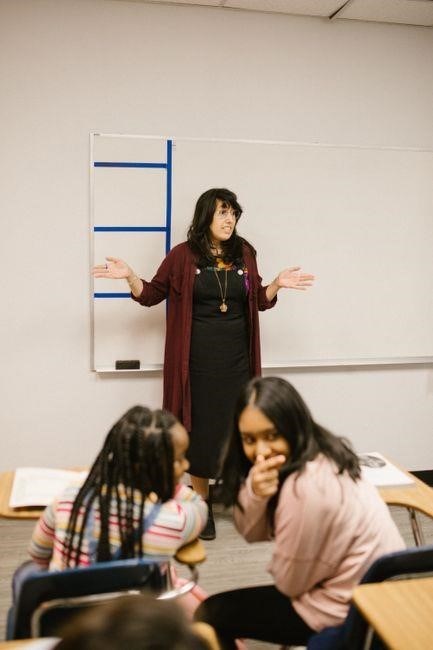
Instructional Support Center in Gwinnett County serves as the cornerstone of educational excellence, uniting technology, pedagogy, and community partnership. Its purpose is to empower educators, students, and families with innovative tools and evidence‑based practices that elevate learning outcomes across all grades. The mission centers on fostering a culture of continuous improvement, where every teacher receives tailored professional development, and every student accesses equitable, engaging, and technology‑rich experiences. By aligning with state standards and district priorities, the center ensures that instructional strategies are relevant, data‑driven, and responsive to diverse learner needs. The center’s collaborative framework brings together instructional coaches, tech specialists, and curriculum designers to co‑create scalable solutions that are both sustainable and scalable. It also champions digital literacy, cybersecurity awareness, and responsible technology use, preparing students for the demands of a rapidly evolving digital world. Through community outreach, the center builds partnerships with local schools, businesses, and civic organizations, creating a network that supports student success beyond classroom walls. Students thrive as technology and pedagogy unite for success
Historical Background
Established in the early 2000s, the J. Alvin Wilbanks Instructional Support Center (ISC) began as a modest hub for technology integration within Gwinnett County Public Schools. Named after the former superintendent who championed digital learning, the center was envisioned to bridge classroom practice and emerging tech tools. In 2005, a federal grant funded a state‑of‑the‑art facility on Old Peachtree Rd NW, featuring collaborative workspaces, simulation labs, and a media library. Over the next decade, ISC expanded to include instructional coaching, curriculum design support, and community outreach. By 2015, the center introduced a professional development framework pairing teachers with certified coaches for year‑long mentorship. The 2020s brought a shift toward data‑driven instruction, with ISC piloting AI‑assisted lesson planning tools and real‑time assessment dashboards. In 2023, the center celebrated its 20th anniversary, marking two decades of fostering innovation, equity, and partnership across Gwinnett’s 30+ schools. Today, ISC remains a flagship model for district‑wide technology integration, continually evolving to meet educators’, students’, and the broader community’s needs. The leadership team, composed of instructional designers, IT specialists, and community liaison officers, ensures initiatives align with district priorities. In 2018, ISC launched the ‘Digital Equity Initiative’, providing low‑cost laptops and high‑speed internet to underserved families, reducing the digital divide. All good. Yes!
Physical Location and Facilities
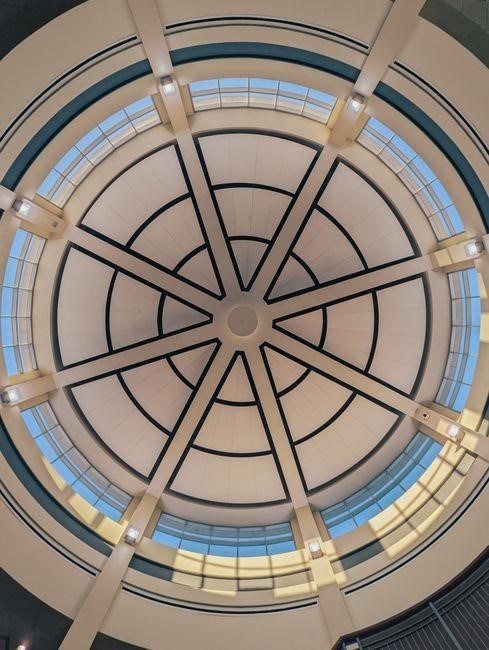
The center sits at 437 Old Peachtree Rd NW, Suwanee, GA, featuring a modern, accessible building with collaborative labs, a digital media hub, and flexible learning spaces. Designed for tech integration, it supports teachers and students alike. The building also houses a makerspace and a digital commons for collaborative projects. It also offers a quiet study lounge for focused work.!!
Campus Address and Map
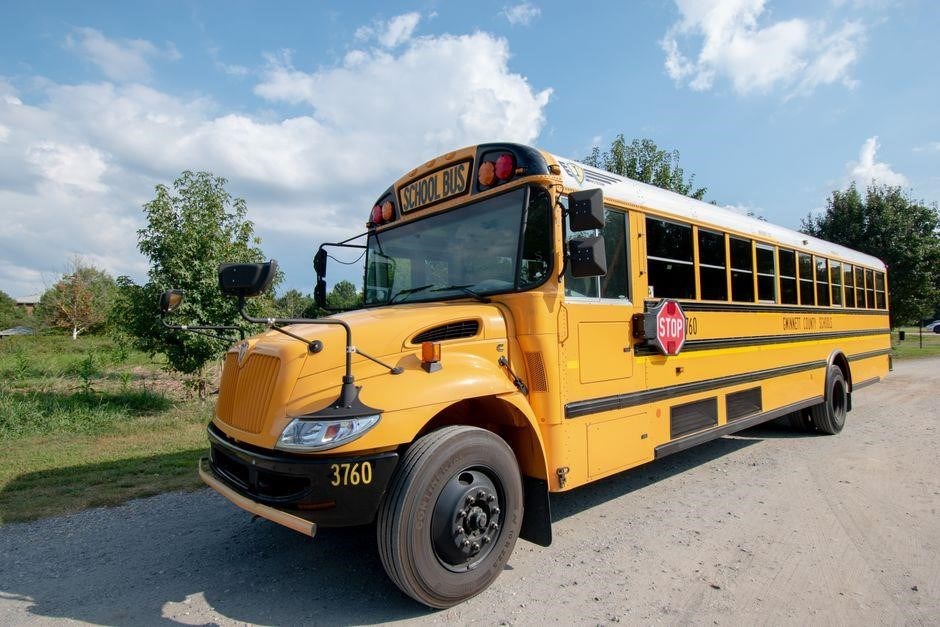
The Instructional Support Center is located at 437 Old Peachtree Road NW, Suwanee, GA 30024, in the heart of Gwinnett County’s educational district. The campus occupies a 5‑acre parcel bounded by Old Peachtree Road to the north, Peachtree Ridge Drive to the east, and landscaped buffers to the south and west. A detailed Google Maps link and an interactive campus map are available on the district website, allowing visitors to zoom in on the building footprint, surrounding parking lots, and nearby landmarks such as the Gwinnett County Fire Station 21 and the Gwinnett County Station 21. The map also highlights pedestrian pathways, bicycle racks, and wheelchair‑accessible routes that connect the ISC to adjacent elementary and middle schools. For drivers, the ISC offers a dedicated parking lot with 120 spaces, including 12 handicap spots, and a separate drop‑off zone for school buses and field‑trip vehicles. The campus is served by the Gwinnett County Transit system, with a bus stop just outside the main entrance, providing convenient access for staff, students, and community members. Visitors can use the district’s mobile app to receive real‑time parking availability and navigation assistance. The ISC’s address is prominently displayed on the front façade, and a QR code near the entrance links to the digital map and campus resources. The campus layout promotes collaboration, with open‑plan workstations, a media commons, and a dedicated technology lab for hands‑on learning. The ISC’s map also shows emergency exits, first aid stations, and the main entrance, ensuring safe navigation. The district’s commitment to accessibility is reflected in tactile signage, audio announcements, and a fully accessible elevator serving all floors. The ISC’s map is updated quarterly to reflect construction or renovation projects, ensuring users have current information. For detailed directions, the district’s website provides step‑by‑step driving, walking, and public‑transport instructions, plus a downloadable PDF map for offline use. The ISC’s campus address and map are integral to the district’s mission of providing a welcoming, inclusive, and technologically advanced environment for all learners and educators.
Building Features and Accessibility
The Instructional Support Center’s building showcases a modern, energy‑efficient design that aligns with Gwinnett County’s sustainability goals. The structure features a glass façade that maximizes natural light, reducing reliance on artificial lighting and lowering operating costs. Internally, the layout is organized around a central atrium that serves as a collaborative hub for teachers, students, and community partners. The atrium hosts rotating exhibits, technology demos, and a digital signage wall that displays real‑time instructional resources and event schedules. Accessibility is a core priority. The building complies with the Americans with Disabilities Act (ADA) and incorporates universal design principles. All entrances are equipped with automatic doors and ramps with a 1:12 slope. Elevators provide access to every floor, and the main classroom wing includes a dedicated “Tech Lab” with adjustable desks, ergonomic chairs, and high‑speed Wi‑Fi. The lab’s equipment is positioned to accommodate users with mobility aids, and the room’s acoustics are engineered to reduce background noise for better focus. The ISC also offers a “Quiet Zone” – a sound‑attenuated space for individualized instruction and restorative practices. This zone includes padded flooring, dimmable lighting, and a separate HVAC system that maintains optimal temperature and air quality. For outdoor learning, the campus features a landscaped courtyard with raised garden beds, seating areas, and a weather‑proof pavilion that hosts workshops and community events. Safety and security measures include a state‑of‑the‑art surveillance system, controlled access badges, and emergency communication panels on each floor. The building’s fire safety plan incorporates smoke detectors, sprinklers, and clearly marked evacuation routes. In addition, the ISC’s design supports flexible classroom configurations, allowing educators to adapt spaces for project‑based learning, group work, or technology‑rich instruction. The combination of modern architecture, advanced technology, and inclusive design ensures that the Instructional Support Center remains a welcoming, functional, and forward‑thinking resource for the Gwinnett County community. Students and staff can also access a dedicated resource center that houses a curated collection of instructional software, digital textbooks, and multimedia tools. The ISC’s commitment to continuous improvement is reflected in its annual review process, where feedback from educators, parents, and community members informs upgrades to technology, furniture, and learning spaces. By fostering an environment that blends cutting‑edge technology with thoughtful design, the Instructional Support Center exemplifies Gwinnett County’s dedication to equitable, high‑quality education for all learners. The building’s exterior also features a green roof that collects rainwater for irrigation, reducing water usage and providing a natural habitat for local wildlife. Additionally, the ISC’s interior lighting is LED‑based with smart controls that adjust brightness based on occupancy and daylight levels, further enhancing energy efficiency. These sustainable practices not only lower operational costs but also serve as a living laboratory for students studying environmental science and engineering.
Core Services and Programs
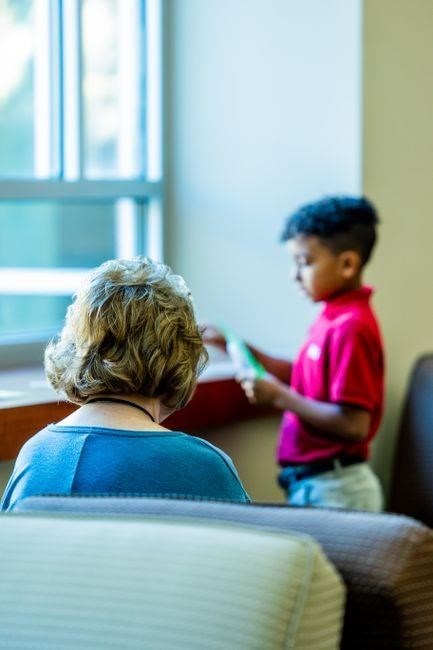
The center offers tech training, library media enrichment, and instructional coaching. It provides resources, classroom tech support, and professional development workshops to enhance teaching and learning across Gwinnett schools. The center also hosts collaborative labs and tools. Daily support now.
Instructional Technology and Innovation
The J. Alvin Wilbanks Instructional Support Center’s Office of Instructional Technology & Innovation integrates digital tools across Gwinnett schools. Staff deliver targeted training on interactive whiteboards, cloud lesson planners, and data‑driven assessment platforms, while workshops cover coding, 3D printing, and virtual reality. In partnership with the library media program, the center curates a digital repository of e‑books, multimedia resources, and open‑source lesson plans, all accessed through a unified learning management system. Technology pilots undergo rigorous evaluation using mixed‑methods data, combining usage metrics with teacher feedback to refine tool selection and deployment. A “Tech Lab” offers hands‑on experimentation with new hardware, cross‑disciplinary projects, and one‑on‑one coaching from instructional specialists. The center’s 24/7 help desk, digital literacy certification pathway, and quarterly innovation showcases provide continuous support. Data analytics dashboards enable administrators to monitor student engagement and learning outcomes in real time, facilitating rapid instructional adjustments. By aligning technology initiatives with strategic priorities, the center accelerates the district’s mission to enhance, support, and transform the educational experience for all students and staff. The center’s commitment to continuous improvement ensures that every tech investment directly contributes to higher academic achievement and equitable access. Through collaborative partnerships, the center also offers professional development webinars, a mentorship program for novice teachers, and a resource hub featuring best practices and case studies, and fosters innovation!
Library Media Programs
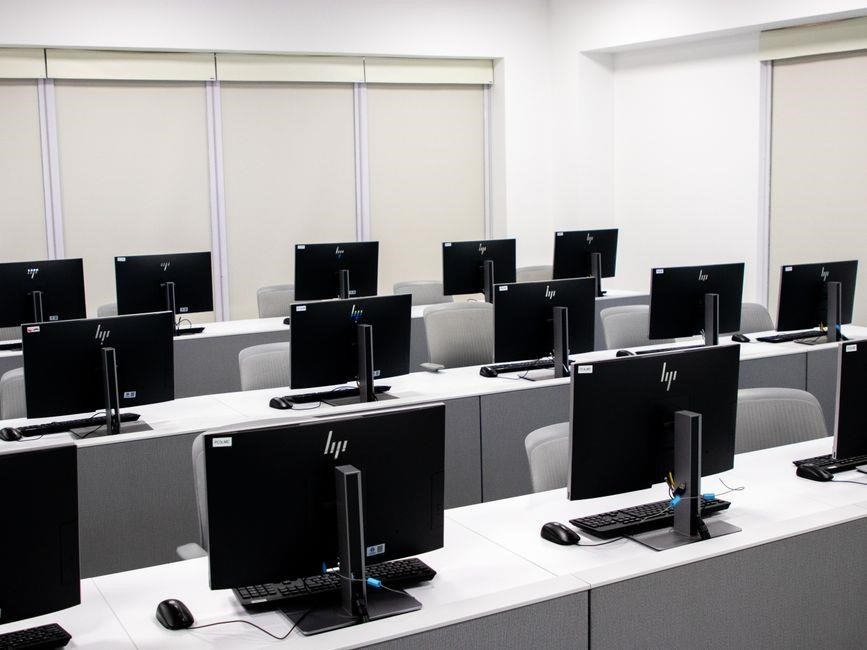
At the J. Alvin Wilbanks Instructional Support Center, the library media program serves as a dynamic hub for digital literacy, research skills, and creative expression. The center offers a curated collection of e‑books, audiobooks, and scholarly databases that teachers can integrate into lesson plans across all subject areas. Students access a user‑friendly portal that supports inquiry‑based learning, allowing them to conduct research projects, create multimedia presentations, and collaborate on shared documents in real time. The program hosts weekly “Media Mondays,” where educators receive hands‑on workshops on using citation tools, evaluating online sources, and leveraging open‑access repositories. A dedicated media specialist team curates a rotating selection of age‑appropriate digital content, ensuring alignment with state standards and district priorities. The library also partners with local schools to provide summer reading initiatives, author visits, and community book clubs, fostering a culture of lifelong learning. Through the center’s digital storytelling labs, students experiment with podcasting, video production, and graphic design, turning research findings into engaging narratives. The media program’s analytics dashboard tracks resource usage, enabling data‑driven decisions about collection development and professional development focus. By integrating library media with instructional technology, the center creates a seamless learning ecosystem that empowers teachers and students to navigate the information age confidently and creatively. The program’s commitment to equity ensures that all learners, regardless of background, have access to high‑quality digital resources and the skills to use them effectively. Additionally, the library hosts a monthly makerspace event where students prototype educational tools, and a digital citizenship curriculum that teaches safe online practices. The center’s collaboration with the district’s technology office ensures that every new platform is vetted for accessibility, privacy, and alignment with curriculum goals. Finally, the library’s outreach program extends beyond campus, offering free workshops to parents and community members on navigating digital resources, thus strengthening the partnership between school and home. Moreover, the center maintains a digital repository of instructional videos, lesson plan templates, and assessment rubrics that teachers can download and adapt. The media team collaborates with the district’s curriculum specialists to align resources with the Common Core and Georgia Standards of Excellence, ensuring that every media asset supports measurable learning outcomes. Students who participate in the library’s “Digital Scholars” program receive mentorship from librarians and senior students, culminating in a capstone project presented at the annual Gwinnett County Education Expo. The library’s commitment to open education resources (OER) means that many of its materials are freely available to the broader educational community, promoting equity and innovation beyond the district’s borders.
Professional Development and Training
Teachers receive tailored workshops on tech integration, data analysis, and instructional coaching. Sessions include hands‑on labs, peer‑review circles, and continuous support to align practices with district goals and student success metrics. Continuous coaching and data insights enhance learning.!!.
Technology Training: instructions for teachers
At the Gwinnett County Instructional Support Center, teachers access a structured curriculum that blends theory and practice. The program begins with a diagnostic assessment of each educator’s current digital fluency, followed by a personalized learning plan that targets specific platforms such as Google Classroom, Canvas, and Microsoft Teams. Weekly hands‑on labs provide real‑time experience with lesson‑planning software, data dashboards, and adaptive learning tools. Instructors receive step‑by‑step guides, video tutorials, and live coaching sessions that emphasize classroom integration, student engagement, and assessment alignment. The center also hosts a “Tech‑Buddy” peer‑review system, allowing teachers to observe and critique each other’s use of technology, fostering a collaborative culture of continuous improvement. Additionally, the training includes workshops on digital citizenship, privacy compliance, and accessibility standards to ensure inclusive learning environments. Upon completion, educators earn a district‑approved certification, unlocking access to advanced resources and grant opportunities for classroom innovation. The goal is to empower teachers to seamlessly embed technology into pedagogy, thereby enhancing student outcomes and preparing learners for a digital future. The center’s curriculum is reviewed annually to reflect emerging trends such as AI‑driven instruction, virtual reality simulations, and blockchain credentialing. Teachers are encouraged to submit reflective journals, which are reviewed by instructional coaches to tailor subsequent modules. The program’s success is measured through pre‑and post‑training surveys, classroom observation rubrics, and student achievement data, ensuring that technology integration translates into measurable gains. All materials are archived in a digital repository accessible to staff at any time, promoting lifelong learning and resource sharing across the district.
Instructional Coaching and Support
At the Gwinnett County Instructional Support Center, coaching is a cornerstone of professional growth. Each teacher receives a dedicated instructional coach who conducts regular classroom observations, focusing on curriculum alignment, instructional strategies, and technology integration. Coaches use a data‑driven approach, reviewing student performance metrics, formative assessments, and engagement analytics to identify strengths and areas for improvement. They collaborate with educators to set SMART goals, develop action plans, and monitor progress through weekly check‑ins. The coaching model emphasizes reflective practice, encouraging teachers to analyze their lessons, share insights, and iterate on instructional design. Coaches also facilitate peer‑review circles, where educators observe one another’s classes, provide constructive feedback, and model best practices. In addition to in‑class support, coaches offer virtual coaching sessions, webinars, and resource libraries tailored to specific content areas or instructional challenges. The center’s coaching team is trained in the latest pedagogical frameworks, including Universal Design for Learning, project‑based learning, and culturally responsive teaching. Coaches help teachers integrate formative assessment tools, digital platforms, and differentiated instruction strategies to meet diverse student needs. Professional development workshops complement coaching, providing hands‑on training in emerging technologies, data analysis, and classroom management. The coaching program is evaluated annually through teacher surveys, student achievement data, and observation rubrics, ensuring continuous improvement and alignment with district goals. By fostering a culture of collaboration and evidence‑based practice, the Instructional Support Center empowers educators to elevate instructional quality and student learning outcomes across Gwinnett County schools. The center continuously updates its coaching resources to reflect emerging educational research and technology trends.
Community Engagement and Impact

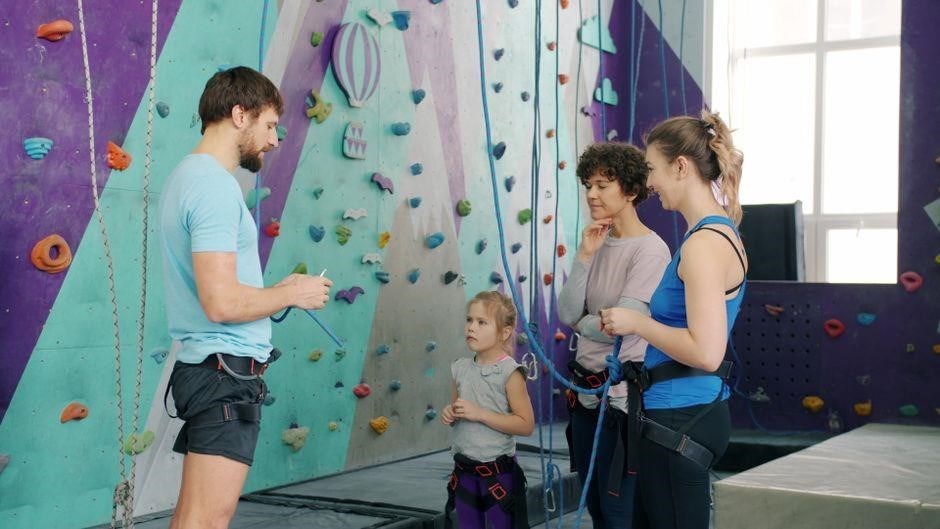
The center partners with local schools, hosts STEM fairs, and offers free digital literacy workshops for residents. Outreach boosts community learning, strengthens school‑district ties, and promotes inclusive technology use for all ages and growth!!!
Partnerships with Local Schools
The Instructional Support Center collaborates with Gwinnett County schools to integrate technology, provide training, and support curriculum development. Through joint initiatives, teachers receive hands‑on workshops on emerging tools, while students benefit from enriched library media programs. The center’s partnership model includes regular visits to schools, co‑design of digital learning plans, and shared assessment resources. By aligning with district priorities, the center helps schools adopt evidence‑based practices that improve student engagement and achievement. Additionally, the center hosts community‑wide STEM events, inviting parents and local businesses to participate, thereby fostering a culture of lifelong learning. These collaborations also offer professional development pathways for educators, ensuring continuous growth and the effective use of technology in classrooms. The partnership framework is built on mutual goals: enhancing instructional quality, expanding access to digital resources, and strengthening the educational ecosystem across Gwinnett County. Through data‑driven feedback loops, the center and schools refine programs, ensuring that every student receives the support needed to thrive in a rapidly evolving educational landscape. Moreover, the center facilitates technology fairs where students showcase projects, fostering innovation. It partners with universities to offer dual‑credit courses, enabling students to earn college credits while mastering digital literacy. By maintaining a robust feedback mechanism, the center continually adapts its offerings to meet evolving educational standards and student needs. for families!

Public Service and Outreach
The Instructional Support Center extends its mission beyond classrooms by engaging the broader Gwinnett community through targeted public service initiatives. Regularly scheduled technology fairs showcase student projects, giving families a tangible view of digital literacy in action. The center also hosts community‑wide STEM events, inviting parents, local businesses, and civic leaders to participate in workshops that demystify emerging tools and encourage lifelong learning. Partnerships with nearby universities enable dual‑credit courses, allowing high‑school students to earn college credits while mastering instructional technology. Additionally, the center offers free digital literacy workshops for adults, helping residents navigate online resources, secure employment, and stay connected. Outreach programs include mobile tech labs that travel to underserved neighborhoods, ensuring equitable access to high‑speed internet and modern devices. By collaborating with local libraries, the center expands media programs to the public, offering free access to e‑books, research databases, and instructional videos. These efforts collectively strengthen community resilience, foster economic growth, and create a culture of continuous learning throughout Gwinnett County. The center also collaborates with local tech firms to provide mentorship programs for students, and partners with community colleges to offer certificate courses in coding and digital media. Volunteer educators from the center conduct after‑school tutoring sessions, ensuring that every child has access to high‑quality instruction regardless of socioeconomic status. Through these comprehensive outreach efforts, the Instructional Support Center not only elevates academic achievement but also empowers the entire Gwinnett community to thrive in the digital age. Community outreach includes a newsletter that highlights success stories, upcoming events, and resources for parents. The outreach team works closely with local non‑profits to deliver technology training to senior citizens, ensuring digital inclusion across all age groups. In partnership with the Gwinnett County Library System, the center offers a mobile library service that brings e‑learning tools and digital resources to rural areas. These initiatives demonstrate the center’s commitment to bridging the digital divide and fostering an inclusive educational environment for all residents.